
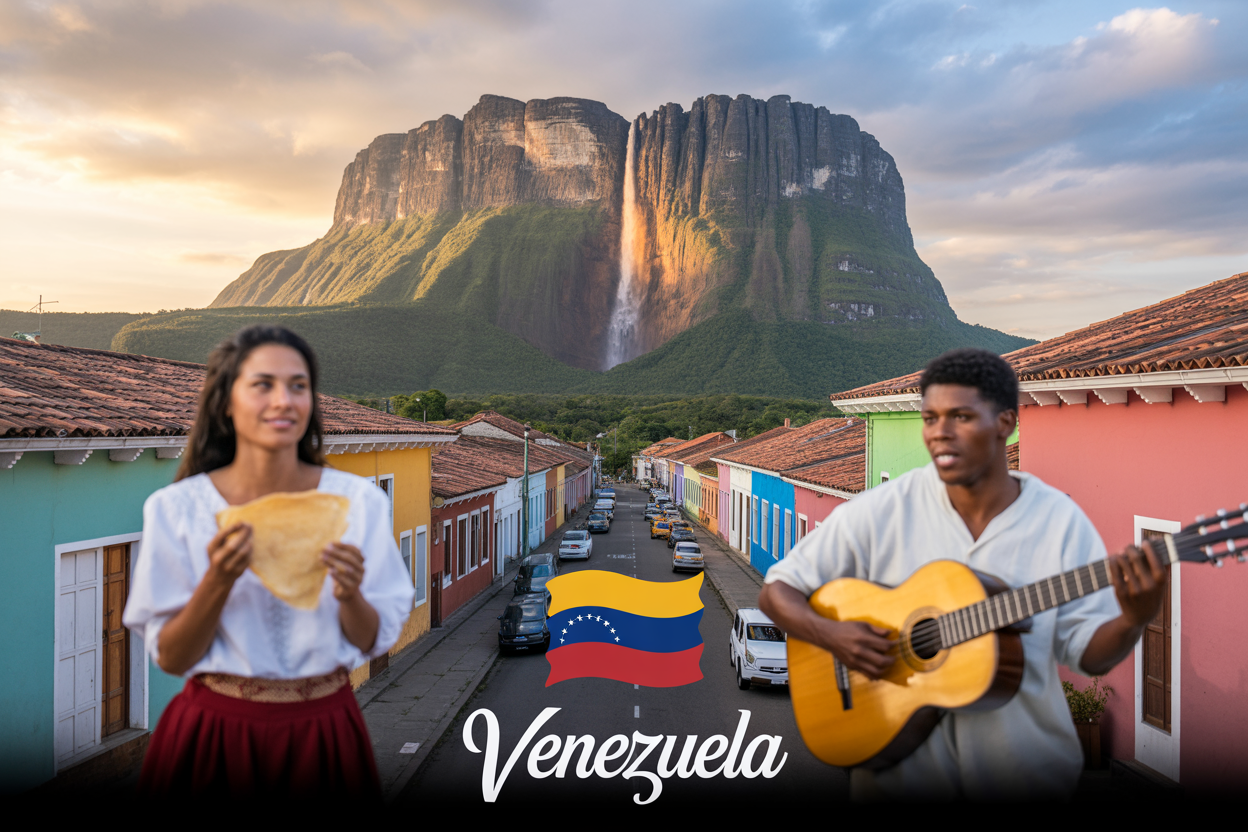
Venezuela offers a fascinating blend of rich traditions, breathtaking landscapes, and complex modern challenges that captivate travelers, students, and anyone curious about South America’s most talked-about nation.
This guide is for people who want to understand Venezuela beyond the headlines – from culture enthusiasts and potential visitors to students researching this diverse country.
We’ll explore Venezuela’s incredible cultural heritage that spans indigenous roots to colonial influences, dive into the stunning natural wonders including Angel Falls and the Orinoco Delta, and examine the economic situation that has shaped modern Venezuelan life. You’ll also discover the vibrant culinary scene that makes Venezuelan food a true celebration of flavors.
Understanding Venezuela’s Rich Cultural Heritage
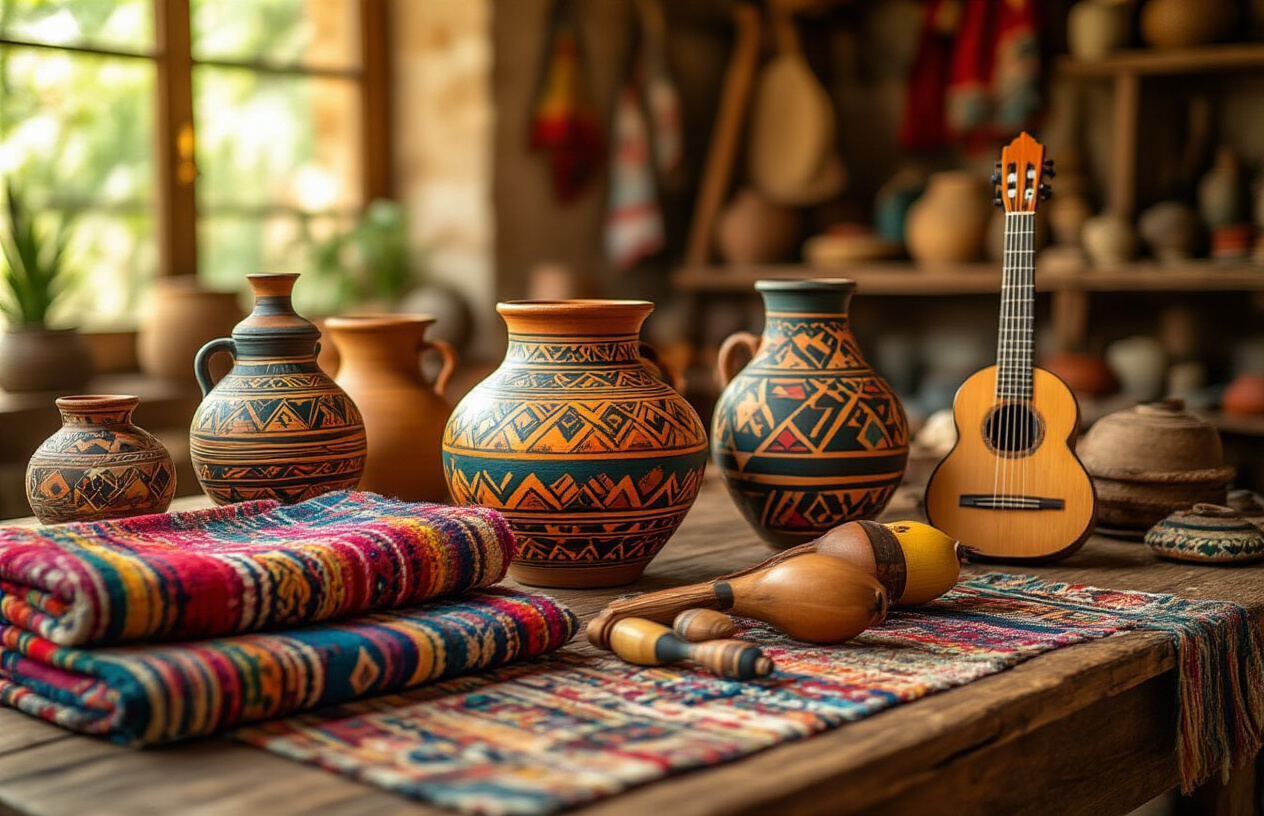
Discover the vibrant music and dance traditions that define Venezuelan identity
Venezuela pulses with musical rhythms that tell the story of a nation shaped by African, indigenous, and European influences. Joropo stands as the country’s national folk music, featuring the cuatro (a four-stringed guitar), maracas, and harp creating melodies that mirror the vast plains where cattle roam. The passionate dance that accompanies joropo involves intricate footwork and graceful partner movements that reflect the connection between people and their land.
Salsa and merengue dominate urban dance floors, while traditional tambor drums echo through coastal communities during religious celebrations. The gaita genre emerges every December, transforming the entire country into a musical celebration with its distinctive accordion melodies and poetic lyrics about love, politics, and daily life.
Regional variations add layers of complexity – the Andean states embrace waltzes and bambuco, while eastern regions celebrate calypso influences brought by Caribbean migration. Indigenous communities maintain ancient musical traditions using flutes, rattles, and ceremonial chants that connect modern Venezuela to its pre-Columbian roots.
Explore the diverse architectural styles from colonial to modern influences
Colonial Spanish architecture dominates Venezuela’s historic centers, with Caracas, Coro, and Ciudad Bolívar showcasing stunning examples of 16th and 17th-century design. These structures feature thick adobe walls, red-tiled roofs, and central courtyards that provided relief from tropical heat. Ornate wooden balconies and wrought-iron details reflect Moorish influences that traveled from Spain to the New World.
The 20th century brought dramatic architectural evolution. Art Deco buildings from the 1930s and 1940s line Caracas streets, while the oil boom of the 1950s and 1960s introduced modernist concrete towers and ambitious urban planning projects. Carlos Raúl Villanueva revolutionized Venezuelan architecture through his University City of Caracas, blending international modernism with tropical adaptation and artistic collaboration.
Contemporary architecture embraces sustainable design principles while honoring cultural heritage. Traditional palafitos (stilt houses) in Lake Maracaibo demonstrate ingenious indigenous engineering adapted to flooding, inspiring modern eco-friendly construction techniques.
| Architectural Period | Key Features | Notable Examples |
|---|---|---|
| Colonial (1500s-1800s) | Adobe walls, courtyards, tiled roofs | Coro Historic Center |
| Art Deco (1930s-1940s) | Geometric patterns, vertical lines | Caracas downtown |
| Modernist (1950s-1960s) | Concrete, open spaces, integration | University City |
Learn about indigenous communities and their lasting cultural contributions
Venezuela’s indigenous heritage spans over 40 distinct ethnic groups, each contributing unique traditions that continue shaping national identity. The Wayuu people of western Venezuela maintain their matrilineal society while creating intricate textiles with geometric patterns that tell stories of their ancestors and natural world.
Yanomami communities in the Amazon preserve ancient knowledge of medicinal plants, sustainable hunting practices, and spiritual beliefs that view nature as sacred. Their traditional dwellings, called shabonos, demonstrate sophisticated understanding of rainforest ecology and community organization.
The Pemon people of the Guiana Highlands share oral traditions about the tepuis (table mountains) that inspired Arthur Conan Doyle’s “The Lost World.” Their legends about these ancient formations blend seamlessly with scientific understanding, creating a worldview that respects both traditional wisdom and modern knowledge.
Indigenous contributions extend beyond cultural practices:
- Agricultural techniques for cultivating corn, cassava, and cacao
- Navigation methods using stars and natural landmarks
- Sustainable fishing and hunting practices
- Traditional medicine using rainforest plants
- Artistic expressions through pottery, basketry, and body painting
- Environmental conservation practices passed down through generations
Experience the colorful festivals and celebrations throughout the year
Venezuelan festivals transform streets into vibrant celebrations that blend religious devotion, cultural pride, and community joy. Carnival explodes across the country each February, with elaborate costumes, satirical performances, and water fights that unite people regardless of social status. Each region adds its own flavor – Caracas features sophisticated parades while rural areas embrace traditional characters like devils and historical figures.
Religious processions honor patron saints throughout the year, combining Catholic traditions with indigenous and African spiritual practices. The Dancing Devils of Corpus Christi create spectacular displays in multiple towns, where masked performers represent the eternal struggle between good and evil through elaborate choreography.
December brings parrandas – impromptu musical gatherings where friends surprise neighbors with Christmas songs accompanied by cuatros, maracas, and tambourines. These spontaneous concerts move from house to house, growing larger as the night progresses and families join the celebration with traditional Christmas foods and drinks.
Regional festivals celebrate local identity:
- La Burriquita (Little Donkey Festival) features costumed dancers
- Velorio de Cruz de Mayo honors the Holy Cross with flowers and songs
- San Juan Bautista celebrates with drumming and dancing on beaches
- Los Reyes Magos brings gift-giving traditions on January 6th
Each celebration reinforces community bonds while preserving cultural memories that connect modern Venezuelans to their diverse heritage.
Navigating Venezuela’s Complex Political Landscape
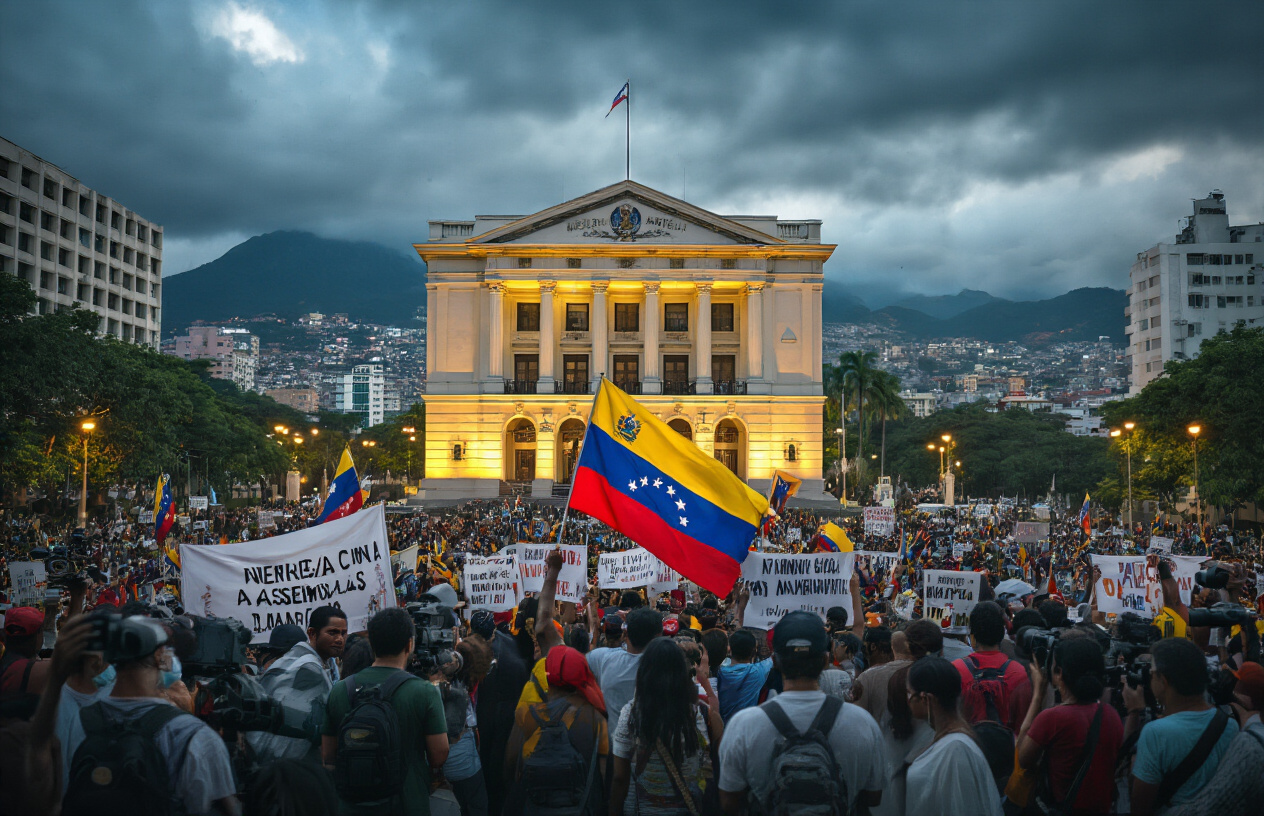
Historical Events That Shaped Modern Venezuelan Politics
Venezuela’s political trajectory took a dramatic turn with the discovery of oil in the early 20th century. The massive petroleum reserves transformed the nation from an agricultural society into a rentier state, fundamentally altering its economic and political structures. The oil boom created unprecedented wealth but also established dangerous patterns of dependency and corruption that continue to plague the country today.
The death of military strongman Juan Vicente Gómez in 1935 marked the beginning of Venezuela’s democratic transition. This period saw the emergence of political parties like Acción Democrática (AD) and COPEI, which would dominate Venezuelan politics for decades. The Punto Fijo Pact of 1958 established a power-sharing agreement between these major parties, creating stability but also exclusivity that marginalized other political voices.
Hugo Chávez’s 1998 election victory shattered this traditional two-party system. His Bolivarian Revolution promised to redistribute oil wealth and empower the poor, fundamentally reshaping Venezuela’s political landscape. Chávez’s charismatic leadership and socialist policies gained massive popular support while creating deep polarization that persists today.
Key historical milestones include:
- 1958-1998: The Punto Fijo era of democratic stability
- 1989: The Caracazo riots highlighting social inequality
- 1992: Chávez’s failed military coup attempt
- 1999: New constitution expanding presidential powers
- 2002: Brief coup against Chávez
- 2013: Chávez’s death and Maduro’s succession
Current Governmental Structure and Key Political Figures
Venezuela operates under a federal presidential republic, though democratic institutions have significantly weakened since 2013. The executive branch holds extraordinary power, with the president serving as both head of state and government. Nicolás Maduro, who assumed power after Chávez’s death, has consolidated control through various means that opposition groups and international observers widely criticize.
The National Assembly serves as the legislative branch, though its effectiveness has been severely compromised. After opposition parties won a supermajority in 2015, the government created a parallel Constituent Assembly that assumed many legislative functions. This institutional manipulation reflects the broader erosion of democratic norms.
Current political landscape features several key actors:
Government Figures:
- Nicolás Maduro (President since 2013)
- Delcy Rodríguez (Vice President and former Foreign Minister)
- Jorge Rodríguez (National Assembly President)
Opposition Leaders:
- Juan Guaidó (former interim president, recognized by over 50 countries)
- María Corina Machado (prominent opposition leader)
- Henrique Capriles (former presidential candidate)
The Supreme Tribunal of Justice has become increasingly aligned with the executive branch, undermining judicial independence. Regional governors and mayors face significant constraints, with the central government controlling most resources and decision-making processes.
International Relations Impact on Domestic Policies
Venezuela’s foreign relations directly shape its internal politics and economic policies. The country’s alliance with Cuba, Russia, China, and Iran has provided crucial support during international isolation but also influenced domestic governance models and economic arrangements.
Cuban advisors have played significant roles in Venezuela’s security apparatus and social programs, while Chinese loans have financed major infrastructure projects in exchange for oil shipments. These relationships have helped the government survive economic sanctions but have also created new dependencies and influenced policy directions.
The recognition of Juan Guaidó as interim president by the United States, European Union, and Latin American countries created a parallel diplomatic structure. This international support legitimized opposition claims while intensifying pressure on the Maduro government through sanctions and diplomatic isolation.
International Sanctions Impact:
- Oil sector restrictions limiting revenue
- Financial sanctions blocking access to international markets
- Individual sanctions targeting government officials
- Humanitarian exemptions for food and medicine
Regional dynamics also affect domestic politics. The Lima Group and Organization of American States have maintained pressure for democratic restoration, while countries like Mexico and Uruguay have promoted dialogue initiatives. The massive migration crisis has strained relations with neighboring countries and created additional pressure for political solutions.
Venezuela’s OPEC membership remains strategically important, though production capacity has dramatically declined. The country’s oil diplomacy continues to influence both foreign relations and domestic energy policies, despite operational challenges and international restrictions.
Exploring Venezuela’s Stunning Natural Wonders

Marvel at Angel Falls and other breathtaking waterfalls
Angel Falls stands as the crown jewel of Venezuela’s natural wonders, plunging an astounding 979 meters from the tepuis (table mountains) of Canaima National Park. This spectacular waterfall, known locally as Kerepakupai Merú, creates an otherworldly experience as water tumbles down ancient sandstone cliffs, often transforming into mist before reaching the ground below.
Beyond Angel Falls, Venezuela hosts numerous other magnificent waterfalls that showcase the country’s diverse topography. The Orinoco Waterfall offers a more accessible yet equally stunning experience, while Salto Sapo provides visitors the unique opportunity to walk behind cascading water. These natural monuments emerge from the Guiana Highlands, where ancient geological formations create perfect conditions for dramatic water displays.
The journey to these waterfalls often becomes an adventure in itself, involving boat rides through pristine rivers and treks through untouched wilderness. Many waterfalls remain relatively untouched by mass tourism, preserving their natural beauty and the surrounding ecosystems that depend on these vital water sources.
Discover the unique ecosystems of the Amazon rainforest region
Venezuela contains approximately 4% of the Amazon basin, encompassing roughly 180,000 square kilometers of pristine rainforest. This region supports an incredible diversity of plant and animal species, many of which remain undiscovered by science. The Venezuelan Amazon serves as home to indigenous communities who have maintained traditional relationships with the forest for thousands of years.
The Orinoco River system feeds into this vast green expanse, creating a complex network of waterways that support countless species. From towering cecropia trees to delicate orchids growing in the canopy, the plant diversity creates multiple layers of habitat. Each level of the forest – from the emergent canopy to the shadowy forest floor – hosts specialized communities of animals perfectly adapted to their environment.
Scientists continue discovering new species in this region, from colorful poison dart frogs to exotic birds with elaborate plumage. The ecosystem’s complexity allows for intricate relationships between species, creating a delicate balance that has evolved over millions of years.
Experience the beautiful Caribbean coastline and pristine beaches
Venezuela’s Caribbean coastline stretches for over 2,800 kilometers, offering some of the most pristine beaches in South America. The warm Caribbean waters lap against white sand beaches backed by lush tropical vegetation, creating postcard-perfect scenery that remains largely undeveloped.
Los Roques Archipelago stands out as a marine paradise, featuring crystal-clear turquoise waters and some of the most beautiful coral reefs in the Caribbean. This national park protects over 40 islands and cays, each offering unique experiences from world-class fishing to peaceful beachcombing. The shallow lagoons provide perfect conditions for windsurfing and kitesurfing.
Morrocoy National Park presents another coastal gem, where mangrove channels wind between small islands topped with coconut palms. Visitors can explore secluded beaches accessible only by boat, discovering hidden coves where sea turtles nest and tropical fish dart through coral gardens. The park’s unique combination of marine and terrestrial ecosystems creates habitats for both Caribbean marine life and tropical land species.
Learn about the diverse wildlife and conservation efforts
Venezuela ranks among the world’s most biodiverse countries, hosting over 1,400 bird species, 350 mammal species, and countless reptiles, amphibians, and insects. The country’s varied landscapes – from Andean peaks to coastal plains – create numerous ecological niches supporting this remarkable diversity.
The jaguar roams through Venezuela’s forests as the apex predator, while spectacled bears inhabit cloud forests in the Andes. Giant anteaters shuffle across savannas, and three-toed sloths hang motionless in rainforest canopies. Bird enthusiasts can spot everything from tiny hummingbirds to massive harpy eagles, making Venezuela a premier destination for wildlife watching.
Conservation efforts face significant challenges but continue through dedicated organizations and local communities. National parks protect critical habitats, while research stations monitor endangered species populations. Indigenous communities play crucial roles in conservation, as their traditional knowledge and territorial rights help preserve vast areas of wilderness. Marine protected areas safeguard coral reefs and sea turtle nesting beaches, while reforestation projects work to restore damaged ecosystems.
Community-based conservation programs engage local populations in protecting wildlife, creating economic incentives for preservation rather than exploitation. These grassroots efforts often prove most effective, as they address both environmental protection and human needs simultaneously.
Understanding Venezuela’s Economic Challenges and Opportunities
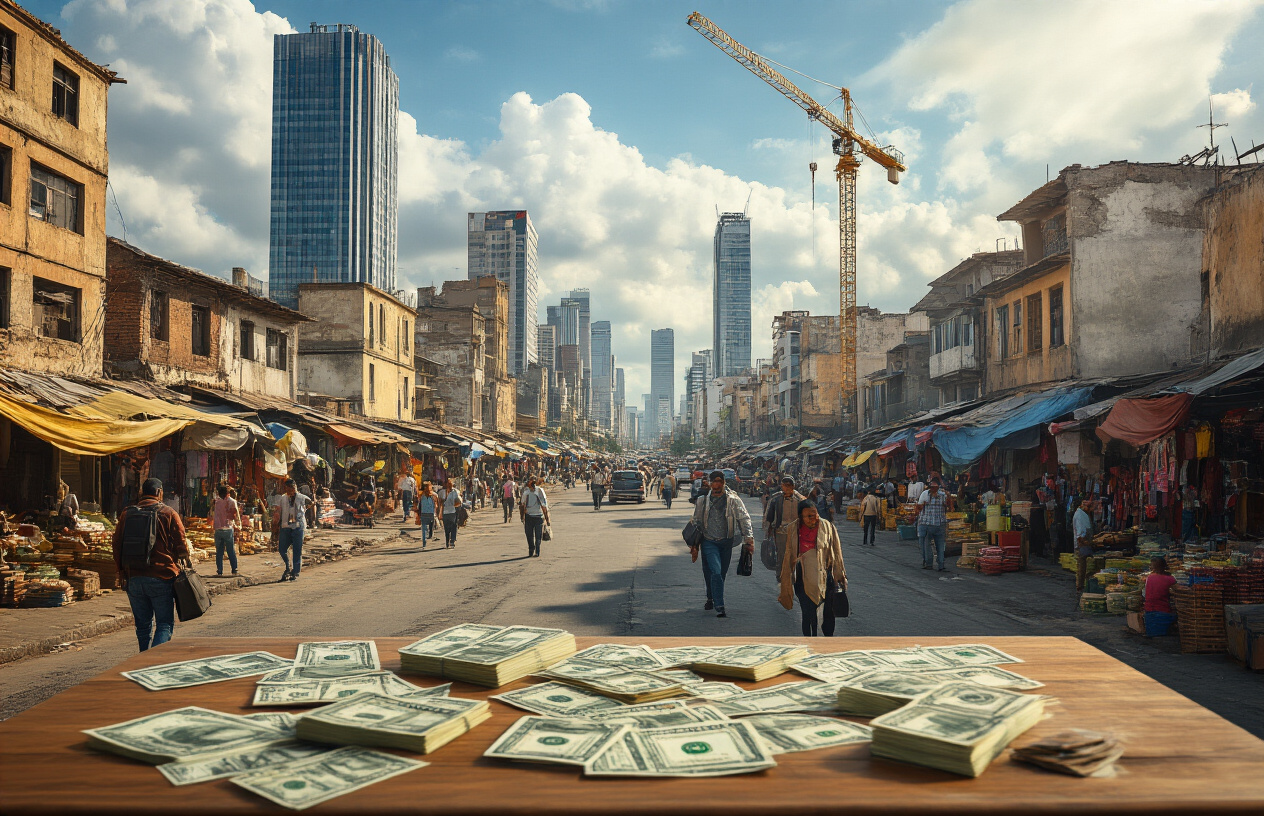
The Role of Oil in Venezuela’s Economy and Global Markets
Venezuela sits on the world’s largest proven oil reserves, holding roughly 300 billion barrels of crude oil beneath its soil. This massive resource has shaped the country’s economy for decades, creating both tremendous wealth and devastating dependency. Oil exports have historically generated over 90% of Venezuela’s foreign currency earnings, making the nation’s economic health directly tied to global petroleum prices.
The country’s heavy crude oil requires specialized refining processes, which has created unique challenges in global markets. When oil prices soared above $100 per barrel in the early 2000s, Venezuela experienced an economic boom that funded ambitious social programs and infrastructure projects. However, this prosperity masked a dangerous over-reliance on a single commodity.
The collapse of oil prices after 2014 exposed Venezuela’s economic vulnerability. Production levels plummeted from over 3 million barrels per day in the late 1990s to fewer than 800,000 barrels daily by 2020. Aging infrastructure, lack of investment, brain drain, and international sanctions have crippled the state-owned oil company PDVSA’s ability to maintain operations and compete globally.
This oil dependency has created what economists call the “resource curse” – where abundant natural resources actually hinder economic development by crowding out other industries and creating institutional weaknesses.
Emerging Industries and Potential Growth Sectors
Despite the oil sector’s dominance, Venezuela possesses significant untapped potential across multiple industries. The country’s mineral wealth extends far beyond petroleum, with substantial deposits of gold, diamonds, iron ore, bauxite, and coltan – a critical component in electronic devices. The Orinoco Mining Arc contains some of the world’s largest gold reserves, though development has been hampered by environmental concerns and operational challenges.
Agriculture presents another promising avenue for diversification. Venezuela’s tropical climate and fertile lands could support robust production of coffee, cacao, sugar, rice, and tropical fruits. Before the oil boom, the country was actually a net food exporter. Revitalizing this sector could reduce import dependency and create employment opportunities outside major cities.
The technology sector shows early signs of growth, with Venezuelan entrepreneurs developing fintech solutions, e-commerce platforms, and digital services. Many tech-savvy Venezuelans who emigrated have maintained connections to their homeland, creating potential for knowledge transfer and investment.
Tourism represents another significant opportunity. Venezuela boasts Angel Falls (the world’s highest waterfall), pristine Caribbean beaches, Amazon rainforest, and unique geological formations like the tepuis (table mountains). Political stability and improved infrastructure could unlock this sector’s potential.
Manufacturing, particularly in textiles, food processing, and consumer goods, could reduce import dependency while creating jobs. The country’s strategic location provides access to both North and South American markets.
Impact of Economic Policies on Daily Life
Economic policies have dramatically transformed how Venezuelans navigate their daily existence. Currency controls implemented in 2003 created a complex multi-tiered exchange rate system that distorted prices and spawned black markets. Citizens often struggled to access foreign currency for essential imports, from medicine to food.
Hyperinflation, which peaked at over 1,000,000% annually, essentially destroyed savings and made long-term planning impossible. Venezuelans adapted by immediately converting bolivars to US dollars or other stable stores of value. Many transactions shifted to barter systems or US dollar payments, even for small purchases.
Price controls on basic goods created widespread shortages. Supermarket shelves often sat empty as producers couldn’t afford to manufacture products at government-mandated prices. Long queues became a daily reality as people searched for scarce items like milk, meat, and medications.
The economic crisis triggered one of Latin America’s largest migration waves, with over 7 million Venezuelans leaving their country. This brain drain affected all sectors, from healthcare professionals to teachers, creating additional challenges for economic recovery.
Recent policy shifts have brought some relief. The government’s tacit acceptance of dollar transactions has helped stabilize prices and improve product availability. Small businesses have adapted by operating in a dual-currency environment, though this creates new challenges for workers paid in depreciated bolivars.
Banking became increasingly difficult as ATM withdrawal limits couldn’t keep pace with inflation. Digital payment systems and cryptocurrency adoption grew rapidly as alternatives to cash transactions, making Venezuela an unexpected leader in crypto usage despite technological limitations.
Experiencing Venezuelan Cuisine and Culinary Traditions
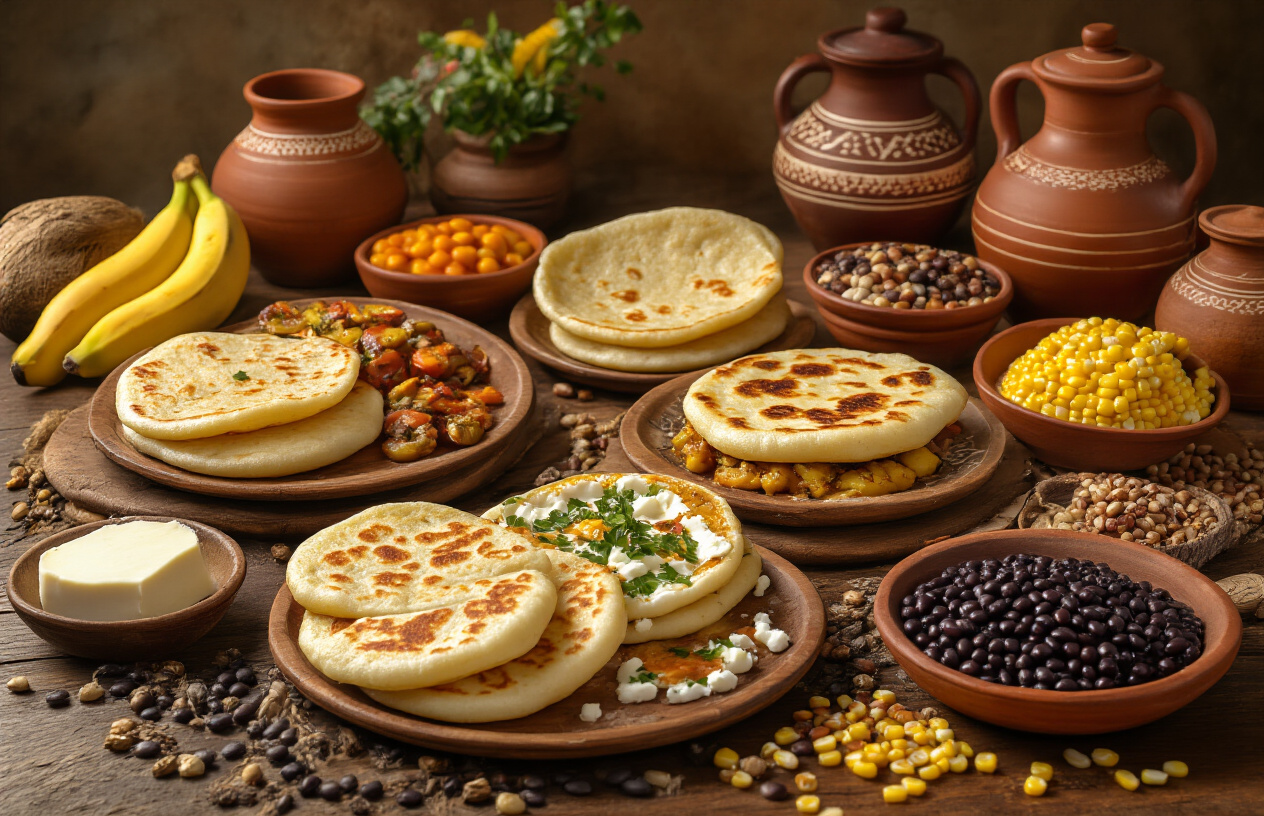
Master the art of making traditional arepas and other staple foods
Arepas stand as the heart and soul of Venezuelan cuisine, serving as both a canvas and companion for countless meals. These round, flat cornmeal patties require just three simple ingredients: pre-cooked white corn flour (Harina P.A.N.), water, and salt. The magic lies in achieving the perfect consistency – the dough should feel smooth and pliable, neither too wet nor too dry.
To create authentic arepas, mix two cups of corn flour with warm water gradually while kneading until the dough holds together without cracking. Form balls about the size of a tennis ball, then flatten them to roughly half an inch thick. Cook them on a hot griddle for 5-7 minutes per side until they develop a golden crust, then finish them in a 350°F oven for 15-20 minutes until they sound hollow when tapped.
Beyond arepas, Venezuelan kitchens produce other essential staples like empanadas – golden fried pockets filled with cheese, black beans, or shredded meat. The dough combines corn flour with a touch of oil and salt, creating a crispier texture than its arepa cousin. Cachapas, sweet corn pancakes, offer another beloved option, made from fresh corn kernels blended with milk and a hint of sugar, then cooked like thick crepes and typically served with fresh cheese.
Explore regional specialties and their cultural significance
Venezuela’s diverse geography creates distinct regional cooking styles that reflect local ingredients and cultural influences. The coastal regions celebrate fresh seafood through dishes like pabellón oriental, which swaps the traditional shredded beef for fish, and sancocho de mariscos, a hearty seafood stew that brings families together during special occasions.
The Andean regions showcase their mountain heritage with specialties like pisca andina, a comforting soup combining eggs, milk, and cilantro that provides warmth at high altitudes. These mountainous areas also produce exceptional cheese varieties, particularly the famous queso de mano, which appears in countless regional preparations.
The plains (llanos) contribute their cowboy culture through dishes centered around beef and fresh cheese. Here, carne en vara (spit-roasted beef) represents both sustenance and celebration, often prepared during festivals and family gatherings. Each region’s signature dish tells a story of adaptation, resourcefulness, and community bonds that have shaped Venezuelan identity across generations.
Hallacas, Venezuela’s Christmas tradition, embody this regional diversity perfectly. Families across the country prepare these elaborate corn masa parcels filled with stewed meat, olives, raisins, and capers, but each region adds its own twist – some include chickpeas, others prefer different spice combinations, creating a delicious map of Venezuelan culture wrapped in plantain leaves.
Discover the influence of international flavors on Venezuelan cooking
Venezuelan cuisine reflects the country’s position as a cultural crossroads, where indigenous, African, Spanish, and more recent immigrant influences create a vibrant culinary tapestry. Spanish colonization introduced wheat, rice, and various spices, while African traditions brought techniques for preserving and seasoning foods that still define Venezuelan cooking today.
Italian immigration during the 20th century left an indelible mark on Venezuelan tables. Pasta became so integrated into local cuisine that dishes like espaguetis negros (squid ink pasta) and pasticho (Venezuelan-style lasagna) feel completely authentic to Venezuelan palates. These Italian influences often blend with local ingredients – pasticho typically includes plantains and local cheeses alongside traditional pasta layers.
Portuguese and Lebanese communities also contributed significantly to Venezuelan gastronomy. Lebanese immigrants introduced kibbeh, which Venezuelans adapted into their own version using local grains and spices. Portuguese influences appear in various stews and the use of certain herbs that complement tropical ingredients.
Chinese immigration brought wok techniques and soy sauce, which Venezuelan cooks incorporated into dishes like arroz chino (Venezuelan fried rice). This fusion creates unique flavor profiles that you won’t find anywhere else in the world, demonstrating how Venezuelan cooks embrace global influences while maintaining their culinary identity.
Learn about popular beverages and their preparation methods
Venezuelan beverages range from ancient indigenous drinks to modern creations that reflect the country’s tropical abundance. Chicha criolla, made from rice, milk, cinnamon, and condensed milk, represents comfort in a glass. This sweet, creamy drink requires patience – rice must simmer slowly until it breaks down completely, creating a smooth, pudding-like consistency that’s then thinned with milk and sweetened to taste.
Fresh fruit juices, called jugos naturales, showcase Venezuela’s incredible biodiversity. Papelón con limón combines raw sugar cane (papelón) with fresh lime juice and water, creating a refreshing drink that provides quick energy and electrolyte replacement in tropical heat. Vendors throughout the country prepare this beverage fresh, adjusting sweetness and acidity to customer preferences.
Coffee culture runs deep in Venezuelan society, with the country producing some of the world’s finest arabica beans. Venezuelan coffee preparation emphasizes slow brewing methods that extract maximum flavor from high-quality beans grown in mountain regions. The traditional method uses a cloth filter called a colador, which produces a clean, smooth cup that highlights the beans’ natural characteristics.
Alcoholic beverages include ron (rum), which Venezuela produces in several regional varieties, and chicha de jora, a fermented corn beverage with pre-Columbian origins. Beer consumption centers around light, refreshing styles perfect for hot climates, while sangria adapts Spanish traditions using local tropical fruits like mango, pineapple, and passion fruit.
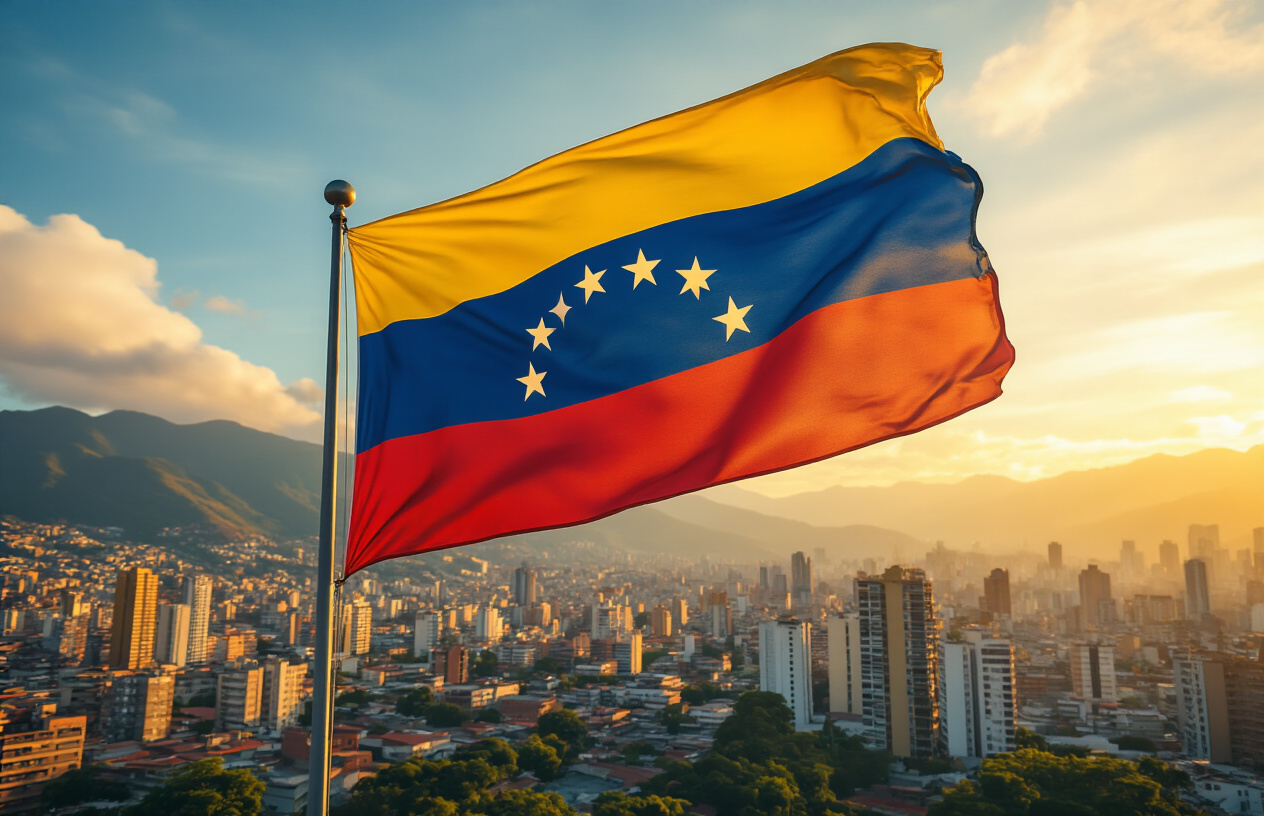
Venezuela stands as a country of remarkable contrasts, where stunning natural landscapes meet rich cultural traditions, while complex political and economic realities shape daily life. From the breathtaking Angel Falls and diverse ecosystems to the vibrant flavors of arepas and the warmth of its people, Venezuela offers experiences that go far beyond the headlines. The nation’s cultural heritage runs deep, blending indigenous, African, and Spanish influences into something uniquely Venezuelan.
Despite facing significant economic and political challenges, Venezuela’s spirit remains unbroken. The country’s natural beauty, from the Andes mountains to Caribbean coastlines, continues to inspire hope for the future. For those interested in understanding this complex nation, look beyond the surface-level news coverage. Engage with Venezuelan culture through its food, music, and stories from its people. Support Venezuelan communities wherever possible, and remember that behind every statistic is a rich culture and resilient people who deserve recognition for more than their struggles alone.